September 11, 2025


Are you looking for ways to check HS codes and duties for machines imported from Indonesia? For companies in Singapore, Malaysia, India, and the Middle East, verifying HS codes, duties, and documentation is essential. This ensures efficient machinery imports from Indonesia.
According to CNBC Indonesia, machinery and mechanical equipment are expected to keep dominating Indonesia's non-oil and gas imports in 2025. China is the main supplier, accounting for US$33.12 billion. Machinery imports increased by US$883.64 million compared to last year. Japan is second with US$6.31 billion, mainly in machinery, vehicles, and iron and steel.
You need to understand each step of the import process. The following sections list key tariff provisions, HS code steps, and documentation for machinery imports from Indonesia.
Importing machinery from Indonesia involves several challenges, such as finding the correct HS code, which impacts duties and taxes. Importers must manage documents and comply with national standards and regulations. Customs rules vary by country. To check the correct HS Code, follow these steps:
As an alternative, check the HS code through the Customs and Excise BTKI website, as follows:
To determine tariff provisions for imported machinery, follow these steps:
Group goods based on HS codes to determine import duties, taxes, and regulations.
Following these steps enables importers to classify machinery correctly, calculate duties and taxes accurately, and comply with Indonesian import regulations to avoid misclassification and customs issues.
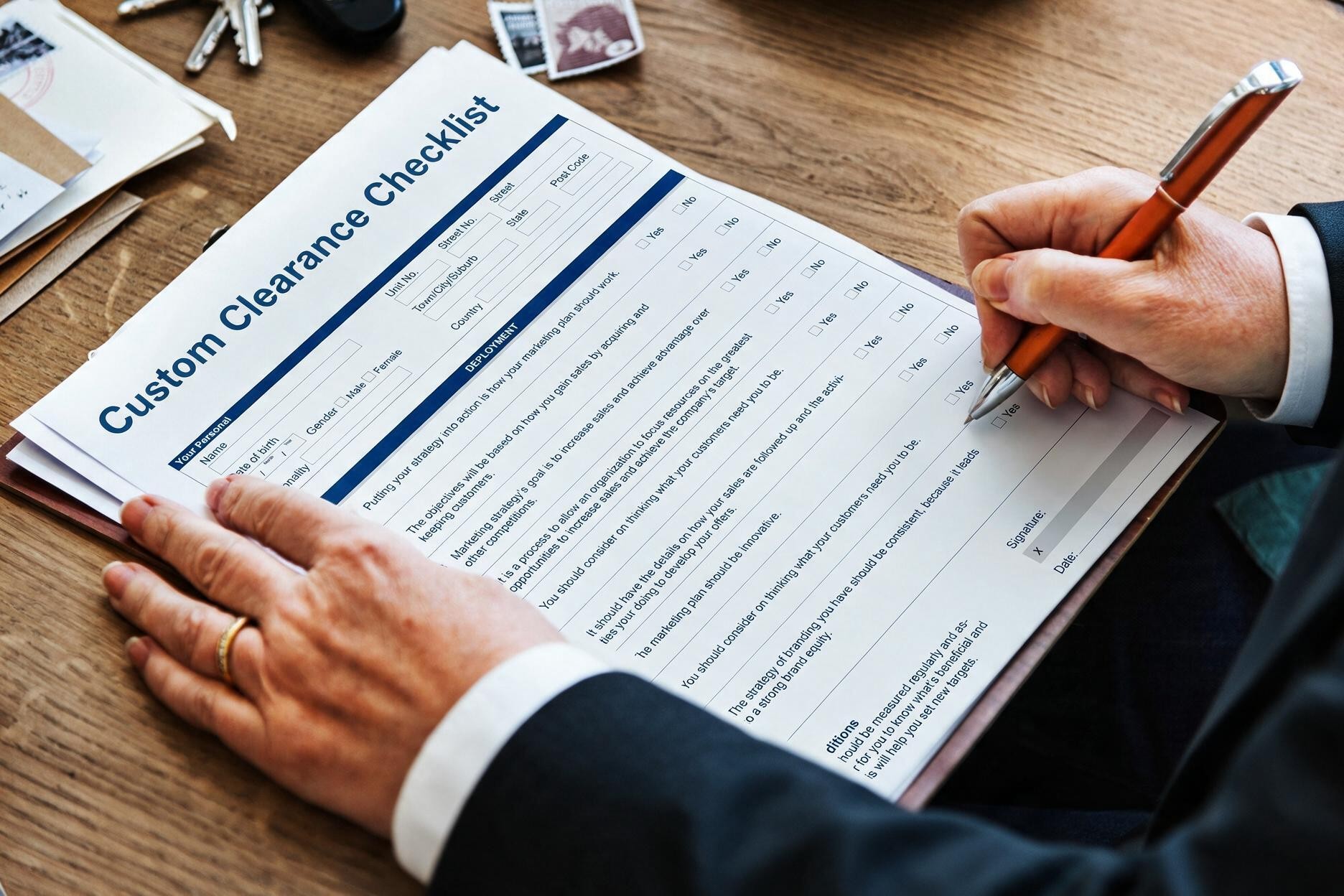
Prepare all necessary documents and review customs regulations to avoid delays and potential issues.
Confirm the HS code for the machinery. This code determines tariffs and required documents. Classify by type, function, and components.
Include the invoice, packing list, bill of lading, Certificate of Origin (CoO), NIB (Nomor Induk Berusaha), and API (Angka Pengenal Import) if needed. Ensure these documents list the machinery's technical specifications, origin, destination, and validity period. Obtain the import permit from the relevant authorities by submitting all required documents. For used machines (Used Capital Goods - BMTB), list the port of loading as required by regulations.
Import documents are uploaded and registered in the Indonesia National Single Window (INSW) system, an online portal for processing trade-related documents. A unique importer registration code using NIK (Nomor Induk Kependudukan) is also required to initiate customs administration.
There are three stages: pre-clearance (registration and permit), clearance (customs notification, duty and tax payment, goods inspection), and post-clearance (audit and re-inspection). The inspection type is based on the risk level.
Once all payments and inspections are complete, customs will grant permission for the goods to be released to the importer's warehouse or destination.
Monitor products to ensure compliance with government and customs regulations.
Know HS codes and duties for machinery imports from Indonesia. China and Japan are key partners. Complete documentation and adhere to customs rules to ensure compliance and prompt delivery, thereby improving global business performance.
The Uniair Cargo team offers consultations and detailed export cost estimates. We guide clients on logistics and customs clearance as needed. For updates on logistics and procedures, follow our official Instagram @uniaircargo.
References:
Contact the Uniair Cargo team
today for a FREE consultation and export cost estimate!
Also, follow us on Instagram at @uniaircargo
for logistics tips, up-to-date information, and export inspiration!