April 27, 2026


Domestic logistics plays a big role in how smoothly your business runs. When inland freight is inefficient, the impact goes beyond transportation. It can increase costs, slow down deliveries, reduce visibility, and create pressure across your entire operation.
That is why inland freight optimization matters. It’s more than just transporting goods; it’s about moving them in a way that is more efficient, more reliable, and easier to manage as your business grows.
For many companies, inland freight accounts for a large share of daily logistics operations. From factories to warehouses, to regional hubs, distribution points, and finally to the consumers. If these movements are not managed well, small inefficiencies can quickly pile up into big structural problems.
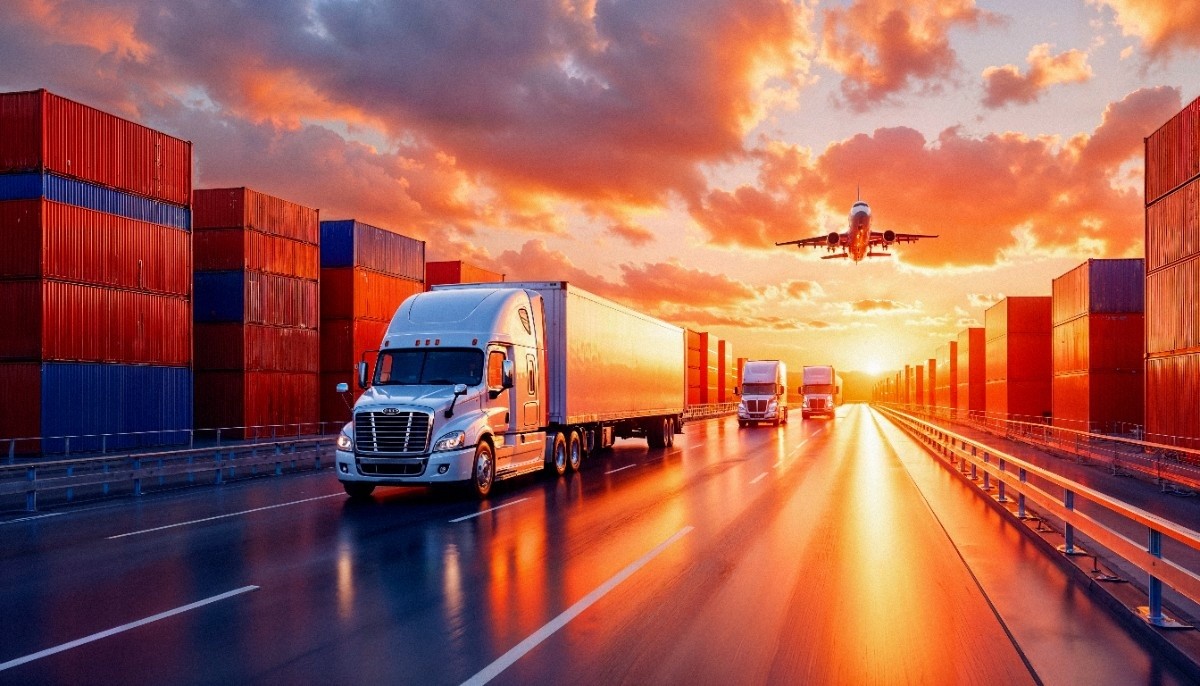
Inland freight optimization is the process of improving how goods move within a country, connecting seaports, airports, or rail terminals to their final destinations in a more structured, efficient, predictable, and cost-effective manner.
It usually involves improving areas such as:
Instead of treating transportation as a simple delivery task, inland freight optimization treats it as a system that should be reviewed and improved continuously.
This matters because most domestic logistics problems do not come from one major failure. They usually come from small issues that happen repeatedly. A truck leaves with unused space. The distribution route is built using outdated assumptions. Goods are not ready when the vehicle arrives. Delays happen, but are only realized after the customer has already been affected.
Each issue may seem manageable on its own. But when they happen every day, they make the entire network slower, more expensive, and harder to control.
Inland freight efficiency affects more than just the transport team. It also has a direct impact on cost, service quality, planning, and your ability to scale operations.
Poor routing, idle time, empty returns, and underused truck capacity can quietly increase transportation costs over time. These are not always dramatic problems, but they often become permanent cost leaks if they are not fixed early.
Fast delivery matters, but predictability matters too. Customers can usually accept a realistic lead time if it is communicated clearly and delivered consistently. What creates frustration is uncertainty, late updates, and unreliable delivery performance.
As shipment volume increases, weak freight systems become harder to manage. Your sales may grow, but if your transport operation cannot keep up, logistics starts becoming a bottleneck instead of a support function.
When inland freight is optimized, your business can absorb more volume without increasing cost and complexity at the same rate.
Many businesses know their logistics performance can be improved, but they are not always sure where the problems start. In most cases, the same issues appear again and again.
Poor route planning is one of the most common causes of unnecessary freight costs. Some businesses still rely on fixed routines, manual planning, or old delivery patterns that no longer reflect real operating conditions.
A route that looks fine on paper may still perform badly in reality because it does not account for:
When route planning is weak, fuel use increases, mileage goes up, and on-time performance becomes harder to maintain.
Unused truck space is another major issue. When orders are not consolidated properly, or when warehouse and transport teams are not aligned, vehicles often leave without reaching efficient load levels.
This can lead to:
In many cases, the solution is not adding more vehicles. It is using existing capacity better.
Without real-time tracking and connected shipment data, teams often work reactively. They may not know a truck is delayed or that a delivery issue is getting worse until the customer is already affected.
Limited visibility often leads to:
Better visibility helps teams act earlier instead of reacting too late.
Many freight delays begin before the truck even leaves the site. Goods may not be staged on time, loading teams may not be ready, or documents may still be incomplete.
This often causes:
What looks like a transport problem is often a coordination problem between internal teams.
Improving inland freight does not always require a full transformation at once. In many cases, the biggest gains come from improving a few important areas consistently.
One of the fastest ways to improve domestic freight performance is to make route planning more dynamic.
A stronger route planning process should consider:
When routes are planned more accurately, you reduce unnecessary mileage, improve on-time delivery, and use your fleet more effectively.
Load optimization is one of the clearest ways to lower inland freight costs. Businesses should review how orders are grouped, when dispatch cut-off times are set, and how shipments are consolidated before departure.
Better load planning helps you:
This can reduce the need to expand fleet capacity too quickly.
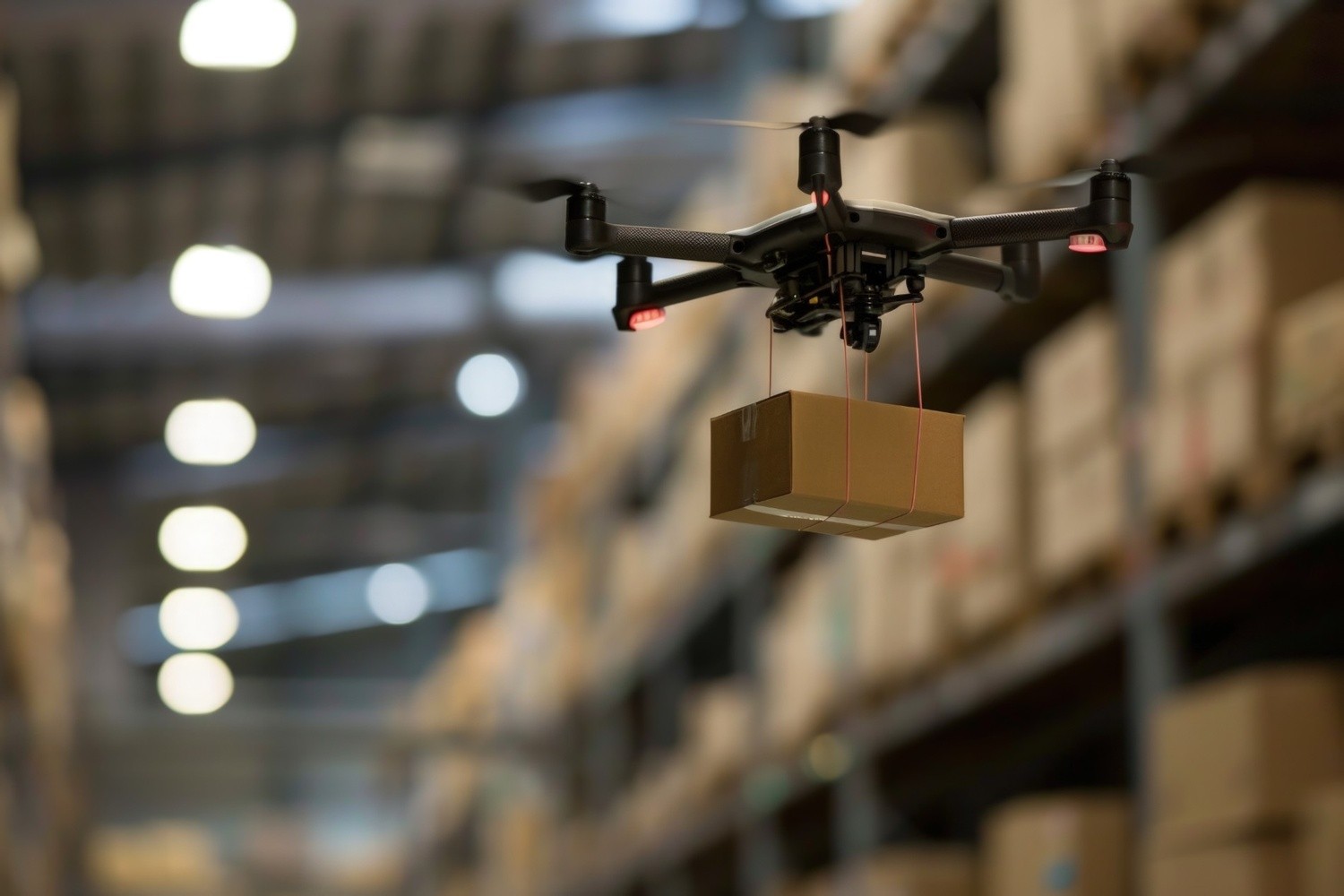
Modern domestic freight operations depend heavily on digital tools. These may include:
Technology helps your team move from reactive handling to active control. Instead of waiting for complaints or delivery failures, you can identify issues earlier and respond faster.
It also helps reduce fragmented manual work and improve coordination between departments.
Freight efficiency starts before the vehicle moves. Warehouse staging, loading readiness, documentation, and dispatch timing all affect transport performance.
When warehouse and transport teams work in sync, you get:
This alignment helps create a smoother flow from origin to destination.
Not every business needs to build its own inland freight capability. In many cases, a dependable logistics partner can improve coverage, consistency, visibility, and operational control.
A strong partner can provide more than transport capacity. They can also add:
For many companies, this becomes a practical advantage as the business grows.
Read More: Freight Carrier Adalah? Pengertian Dalam Logistik dan Perannya
Inland freight is often seen as a back-end activity, but it directly influences cost, service reliability, customer satisfaction, and business growth.
When your inland freight operation is managed well, you are in a stronger position to:
The real opportunity is not just to make transport slightly better. It is to build a domestic logistics system that is more efficient, more visible, and easier to scale.
For businesses that depend on strong domestic distribution, the question is no longer whether inland freight optimization matters. The more important question is how quickly you can improve route planning, capacity usage, visibility, coordination, and performance tracking before inefficiencies become more expensive to maintain.
When done properly, inland freight optimization turns logistics from a recurring operational problem into a real business advantage.
With experience in supporting domestic logistics operations, UNIAIR Cargo can be a reliable partner for businesses that want to manage inland freight with better coordination, visibility, and control. Through the right logistics support, your domestic distribution can move more efficiently and become easier to scale.
Contact the Uniair Cargo team
today for a FREE consultation and export cost estimate!
Also, follow us on Instagram at @uniaircargo
for logistics tips, up-to-date information, and export inspiration!